

Introduction
Poha calories is a traditional Indian breakfast dish made from flattened rice, often served with a variety of toppings like peanuts, vegetables, and spices. Not only is Poha delicious, but it’s also a healthy, low-calorie option for breakfast that can keep you energized throughout the day. Whether you’re looking to control your calorie intake, manage your weight, or simply enjoy a nutritious breakfast, Poha can be a great choice.
क्या आप एक स्वादिष्ट और कम कैलोरी वाला नाश्ता ढूंढ रहे हैं? तो फिर पोहा एक बेहतरीन विकल्प हो सकता है। पोहा स्वाद में भी बेहतरीन है और यह आपको एक हेल्दी ब्रेकफास्ट देता है जो कैलोरी कंट्रोल करने में मदद करता है।

In this article, we will explore the calorie content of Poha, how it fits into a balanced diet, and how you can make this dish even more nutritious and protein-packed.
Poha calories Recipe: Detailed Explanation
poha calories is easy to make and versatile, which is why it’s a go-to breakfast for many people in India. Below is a basic recipe along with some variations for a healthier twist.
Ingredients for Basic Poha:
- Poha (Flattened Rice): 1 cup
- Oil: 1 tsp
- Mustard Seeds: 1/2 tsp
- Curry Leaves: A few
- Onion: 1 small, chopped
- Green Chilies: 1-2, chopped
- Turmeric Powder: 1/4 tsp
- Peanuts: 2 tbsp
- Lemon Juice: 1 tbsp
- Salt: To taste
- Coriander Leaves: For garnishing
Steps to Make Poha:
- Prepare Poha: Wash the poha thoroughly in water and set aside to drain.
- Tempering: In a pan, heat 1 tsp oil. Add mustard seeds, curry leaves, chopped green chilies, and onions. Sauté until the onions turn golden brown.
- Add Peanuts and Turmeric: Add peanuts and turmeric powder to the pan. Stir well.
- Cook the Poha: Add the soaked poha and mix it gently with the tempering. Cook for 2-3 minutes on low heat.
- Finish and Serve: Garnish with fresh coriander and a squeeze of lemon juice. Serve hot.
Calories in Poha:
A standard serving of Poha (approximately 1 cup) contains about 200-250 calories, depending on the ingredients and the oil used.
पोहे में कैलोरी की मात्रा: एक सर्विंग (1 कप) पोहा में लगभग 200-250 कैलोरी होती है, जो इस्तेमाल किए गए तेल और सामग्री पर निर्भर करता है।
Poha vs Upma: Which One is Better for Protein?
Both Poha and Upma are popular breakfast choices in Indian households, but how do they compare when it comes to protein content?
Protein Content Comparison:
| Dish | Protein Content per Serving | Calories |
|---|---|---|
| Poha | 4-5 grams | 200-250 |
| Upma | 5-6 grams | 250-300 |
poha calories contains slightly less protein than Upma, but it’s still a good source of energy and low in calories. If you’re looking for a high-protein breakfast, you can add peanuts or sprouts to Poha to increase the protein content.
पोहे में प्रोटीन की मात्रा उपमा से थोड़ी कम होती है, लेकिन यह कैलोरी में कम और ऊर्जा देने में अच्छा होता है। आप पोहा में मूंगफली या स्प्राउट्स डालकर इसके प्रोटीन कंटेंट को बढ़ा सकते हैं।
How Poha Works: Step-by-Step Process
The process of making poha calories is straightforward, but it’s important to follow a few steps to get the perfect texture and flavor.
- Wash the Poha: Rinse the poha lightly and let it sit in a strainer to drain. This will make it soft and easy to cook.
- Tempering: The tempering (tadka) of mustard seeds, curry leaves, and spices is crucial as it infuses the poha with flavors.
- Add Protein Boosters: To enhance the protein content, you can add boiled peas, sprouts, or roasted peanuts.
- Serve Fresh: Poha tastes best when served immediately after preparation, as it retains its fluffiness and texture.
Oil vs Without Oil: Calories and Effects
| Cooking Method | Calories | Effect on Taste and Texture |
|---|---|---|
| With Oil | 250-300 | Rich, flavorful, but adds extra calories. |
| Without Oil | 200-250 | Lighter, less greasy, but still tasty. |
Effect of Oil: Cooking with oil adds extra calories but gives a richer flavor. To make poha calories lighter and more calorie-conscious, use minimal oil or skip it entirely.
तेल के साथ पकाने से पोहे का स्वाद बढ़ता है, लेकिन यह अतिरिक्त कैलोरी भी जोड़ता है। अगर आप कम कैलोरी चाहते हैं, तो तेल का इस्तेमाल कम करें या पूरी तरह से छोड़ दें।
Why High-Protein Breakfasts Help (Simple Science + Indian Diet Context)
Protein is an essential macronutrient that plays a vital role in muscle repair, growth, and overall health. A high-protein breakfast helps in:
- Sustained Energy: Protein helps keep you fuller for longer and provides steady energy throughout the day.
- Muscle Repair and Growth: Protein is essential for repairing muscle fibers that break down during exercise or physical activity.
- Weight Management: High-protein meals help reduce hunger pangs and promote fat loss, especially when combined with regular exercise.
Indian Diet Context: Indian breakfasts are often carb-heavy, with limited protein. By adding protein-rich ingredients like peanuts or sprouts to Poha, you can make it a more balanced and nutritious meal with poha calories.
Macro Guide: How Much Protein per Meal (With a Quick 20–30g Target)
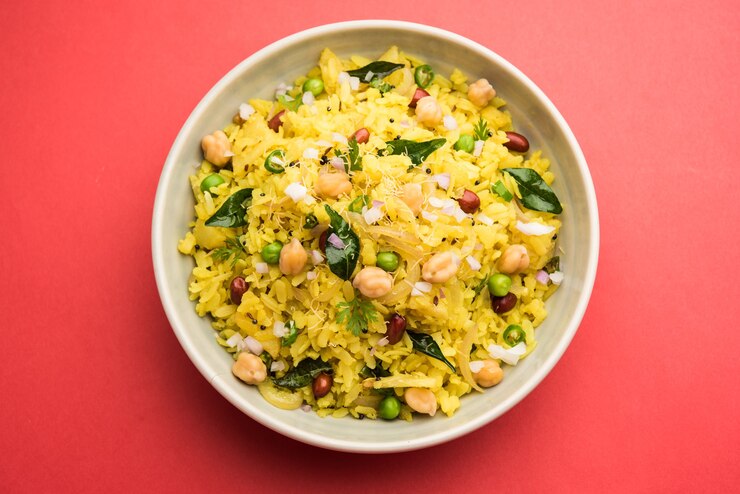
For a balanced diet, aim for 20-30 grams of protein per meal. Here’s how you can achieve that with Poha:
- Poha (1 serving): 4-5 grams of protein
- Peanuts (2 tbsp): 7 grams of protein
- Sprouts (1/2 cup): 4-5 grams of protein
Total poha calories per Meal: By adding peanuts and sprouts to your Poha, you can easily hit the 20-30 grams of protein per meal target.
Quick Swap List (Gluten-Free, No-Onion-Garlic, Jain)
| Dietary Restriction | Swap Ingredients |
|---|---|
| Gluten-Free | Use rice flakes instead of wheat-based poha for a gluten-free version. |
| No-Onion-Garlic | Skip onions and garlic, and add grated ginger for a spicy flavor. |
| Jain-Friendly | Omit potatoes and garlic, use non-root vegetables like carrots or peas. |
Budget & Tiffin Prep Tips (Indian Kitchen Friendly)
- Prepare in Bulk: poha calories can be made in bulk and stored for 1-2 days in the fridge, making it perfect for quick breakfast meals during the week.
- Affordable Ingredients: The ingredients for Poha are inexpensive and commonly found in Indian kitchens, making it a budget-friendly option.
- Tiffin-Friendly: Pack Poha in a tiffin box with a side of yogurt or a fruit to balance the meal.
Benefits of Poha: Why It Matters
- Low in Calories: poha calories is a low-calorie meal, making it a great option for those looking to lose weight.
- Rich in Iron: The poha calories, especially when made with beaten rice, is a good source of iron, which helps in preventing anemia.
- Digestive Health: It’s light on the stomach and easy to digest, making it an ideal breakfast or snack.
Types or Components of Poha (Table)
| Type | Main Ingredients | Benefits |
|---|---|---|
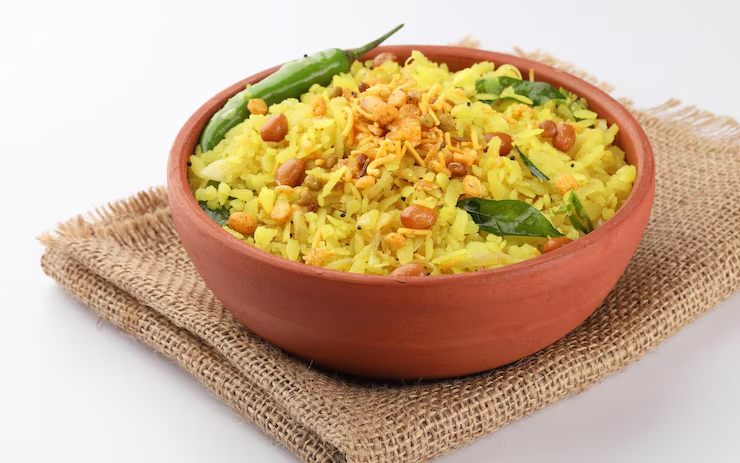
| Classic Poha | Flattened rice, mustard seeds, peanuts | Low-calorie, quick to make, and nutritious |
| Vegetable Poha | Flattened rice, mixed veggies (peas, carrots, potatoes) | Packed with vitamins and fiber |
| Peanut Poha | Flattened rice, peanuts, spices | High in protein and healthy fats |
How to Start / Guide for Beginners
- Start Simple: Begin with a basic Poha recipe using just the essentials: flattened rice, peanuts, and spices.
- Experiment with Add-ins: Add vegetables, sprouts, or nuts for extra nutrition and flavor.
- Serve Fresh: Poha tastes best when served immediately, so try poha calories to prepare it fresh for each meal.
Expert Tips / Common Mistakes to Avoid
- Not Soaking the Poha: Always soak the poha calories before cooking it to ensure it cooks evenly and becomes soft.
- Overcooking: Avoid overcooking the poha calories, as it can become mushy and lose its texture.
- Skipping Garnishes: Garnishes like coriander leaves, lemon juice, and pomegranate seeds can elevate the taste and make the dish visually appealing.
पोहा कैलोरीज़: वजन घटाने और हेल्दी डाइट के लिए कितना सही है?
poha calories को समझना बहुत ज़रूरी है, खासकर उन लोगों के लिए जो वजन घटाने, फिटनेस या हेल्दी लाइफस्टाइल फॉलो कर रहे हैं। पोहा भारत का एक लोकप्रिय नाश्ता है, जो हल्का, आसानी से पचने वाला और पौष्टिक माना जाता है। हालांकि, पोहा में कितनी कैलोरी होगी यह इस बात पर निर्भर करता है कि इसे किस तरह और किन सामग्रियों के साथ बनाया गया है।
1 प्लेट पोहा में कितनी कैलोरी होती है?
सामान्य तौर पर 1 प्लेट सादा पोहा (150–180 ग्राम) में लगभग 230 से 250 कैलोरी होती हैं। यदि पोहा कम तेल में और सीमित सामग्री के साथ बनाया जाए, तो इसकी कैलोरी नियंत्रित रहती है। यही कारण है कि पोहा को एक लो कैलोरी नाश्ता माना जाता है।
अलग-अलग तरह के पोहा की कैलोरी
- सादा पोहा कैलोरीज़: 230–250 कैलोरी
- सब्ज़ी वाला पोहा कैलोरीज़: 250–270 कैलोरी
- मूंगफली वाला पोहा कैलोरीज़: 300–320 कैलोरी
- इंदौरी पोहा कैलोरीज़: 350+ कैलोरी (सेव और मूंगफली अधिक होने के कारण)
अगर आपका लक्ष्य वजन घटाना है, तो सादा या सब्ज़ी वाला पोहा सबसे बेहतर विकल्प है।
वजन घटाने के लिए पोहा कैलोरीज़ क्यों फायदेमंद हैं?
पोहा में मौजूद कैलोरी बहुत ज़्यादा नहीं होती और इसमें कॉम्प्लेक्स कार्बोहाइड्रेट पाए जाते हैं, जो शरीर को लंबे समय तक ऊर्जा देते हैं। पोहा खाने से पेट भरा हुआ महसूस होता है, जिससे बार-बार भूख नहीं लगती। यही वजह है कि पोहा को वेट लॉस डाइट में शामिल किया जाता है।
इसके अलावा पोहा:
- कम फैट वाला होता है
- जल्दी पच जाता है
- नाश्ते के लिए एक हेल्दी विकल्प है
पोहा कैलोरीज़ कैसे कम रखें?
अगर आप poha calories को कम रखना चाहते हैं, तो इन बातों का ध्यान रखें:
- 1 चम्मच से ज़्यादा तेल का इस्तेमाल न करें
- मूंगफली सीमित मात्रा में डालें
- ज़्यादा सब्ज़ियां मिलाएं (गाजर, मटर, प्याज़)
- सेव और अतिरिक्त टॉपिंग से बचें
इन तरीकों से पोहा एक लो कैलोरी और हेल्दी नाश्ता बन जाता है।
poha calories और पोषण मूल्य
पोहा न सिर्फ कैलोरी में कम है बल्कि पोषण से भी भरपूर होता है। इसमें आयरन, फाइबर और थोड़ी मात्रा में प्रोटीन पाया जाता है। अगर पोहा के साथ नींबू मिलाया जाए, तो विटामिन C मिलता है, जो आयरन के अवशोषण में मदद करता है।
FAQs Section
1. How many calories does Poha contain?
2. Is Poha healthy for weight loss?
3. Can I make Poha ahead of time?
4. How much protein is in a serving of Poha?
Conclusion
poha calories is a healthy, light, and protein-packed breakfast that is easy to make and customizable to suit your taste and dietary needs. Whether you are looking to lose weight, gain muscle, or simply enjoy a nutritious meal, Poha is an excellent choice. So, next time you’re thinking of a healthy breakfast, try poha calories and reap its many benefits!
Also Read:-
Discover 7 Delicious High Protein Vegetarian Breakfast Indian Recipes (No Eggs)
7 Powerful Benefits of Moong Dal Chilla Protein for a Healthier, Happier Morning Start
Besan Chilla Protein Content: 100% Nutritional Powerhouse for Your Breakfast
No.1 Paneer Bhurji Recipe: A High-Protein, Flavorful Dish You Can’t Miss!
Ragi Dosa: 100% High-Protein, Nutritious Delight for Your Healthy Start
Protein Breakfast Without Eggs in India: 100% Protein Wali Chijen
Peanut Chaat: 100% Protein-Rich, Healthy Snack for Every Occasion