

Introduction
For vegetarians in India, meeting protein requirements can sometimes be challenging, as most traditional sources of protein are animal-based. However, with a well-balanced vegetarian diet, there are plenty of high-protein vegetarian foods available that can fulfill your protein needs. In this article, we will explore the best protein sources for vegetarians in India, providing you with essential information, examples, and practical advice to help you best protein sources for vegetarians in india incorporate these protein-rich foods into your meals.
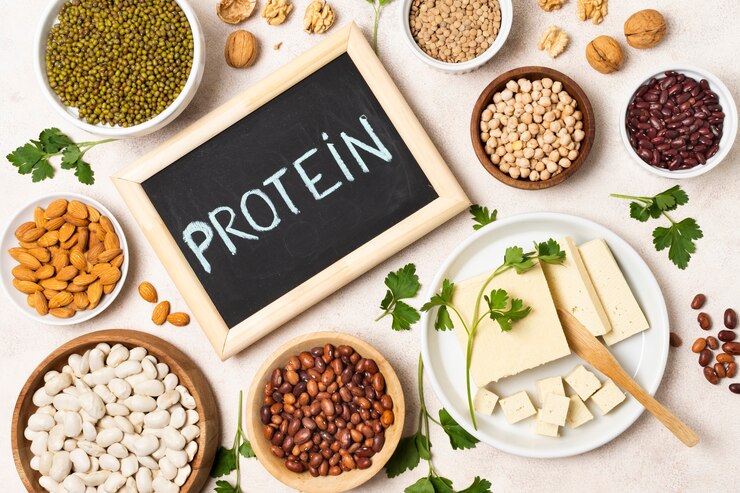
भारत में शाकाहारी प्रोटीन स्रोत उन लोगों के लिए एक चुनौती हो सकते हैं जो मांसाहारी आहार का सेवन नहीं करते हैं। हालांकि, एक अच्छे शाकाहारी आहार के साथ, ऐसे बहुत सारे प्रोटीन युक्त खाद्य पदार्थ उपलब्ध हैं जो आपकी प्रोटीन की आवश्यकता को पूरा कर सकते हैं। इस लेख में, हम भारत में शाकाहारी प्रोटीन स्रोतों पर चर्चा करेंगे, ताकि आप इन प्रोटीन से भरपूर खाद्य पदार्थों को अपने आहार में शामिल कर सकें।
Best Protein Sources for Vegetarians in India: Detailed Explanation
Protein is an essential macronutrient that plays a crucial role in muscle growth, repair, immune function, and overall health. Vegetarians need to be mindful of their protein intake and choose foods that provide enough protein without relying on meat. Here are some of the best protein sources for vegetarians in India.
1. Lentils (Dal)
Lentils, or dal, are one of the best sources of protein for vegetarians. They are rich in essential amino acids and fiber, making them a perfect addition to any vegetarian diet.
Protein Content: 1 cup of cooked dal provides approximately 18 grams of protein.
लेंटिल्स (दाल): दाल शाकाहारियों के लिए प्रोटीन का एक बेहतरीन स्रोत है। इसमें आवश्यक अमीनो एसिड और फाइबर होते हैं, जो इसे किसी भी शाकाहारी आहार का आदर्श हिस्सा बनाते हैं।
2. Chickpeas (Chole)
Chickpeas are an excellent plant-based protein source. They are versatile and can be used in salads, curries, or roasted as a snack. Chickpeas are also rich in fiber, which promotes digestive health.
Protein Content: 1 cup of cooked chickpeas provides about 15 grams of protein.
चने (छोले): चने प्रोटीन का एक बेहतरीन शाकाहारी स्रोत हैं। इन्हें सलाद, करी या स्नैक के रूप में उपयोग किया जा सकता है।
3. Tofu and Tempeh
best protein sources for vegetarians in india Tofu and tempeh, made from soybeans, are high in protein and can be used in a variety of dishes. They are excellent sources of plant-based protein, especially for vegetarians looking to build muscle or increase their protein intake.
Protein Content: 1/2 cup of tofu contains about 10 grams of protein, and 1/2 cup of tempeh provides 15 grams of protein.
टोफू और टेम्पेह: टोफू और टेम्पेह सोया बीन से बने होते हैं, जो प्रोटीन से भरपूर होते हैं। ये मांसपेशियों को बनाने या प्रोटीन का सेवन बढ़ाने के लिए आदर्श होते हैं।
4. Paneer (Cottage Cheese)
Paneer is a popular vegetarian protein source in India. It is rich in calcium and protein and can be easily added to dishes like curries, parathas, and salads.
Protein Content: 100 grams of paneer provides around 18 grams of protein.
पनीर (कॉटेज चीज़): पनीर भारत में एक लोकप्रिय शाकाहारी प्रोटीन स्रोत है। यह कैल्शियम और प्रोटीन से भरपूर होता है और करी, पराठे, और सलाद में आसानी से डाला जा सकता है।
5. Quinoa
best protein sources for vegetarians in india Quinoa is a complete protein, meaning it contains all nine essential amino acids. It is also gluten-free and can be used as a rice substitute or in salads.
Protein Content: 1 cup of cooked quinoa provides approximately 8 grams of protein.
क्विनोआ: क्विनोआ एक संपूर्ण प्रोटीन है, जिसका मतलब है कि इसमें सभी नौ आवश्यक अमीनो एसिड होते हैं। यह ग्लूटेन-फ्री होता है और चावल के विकल्प के रूप में उपयोग किया जा सकता है।
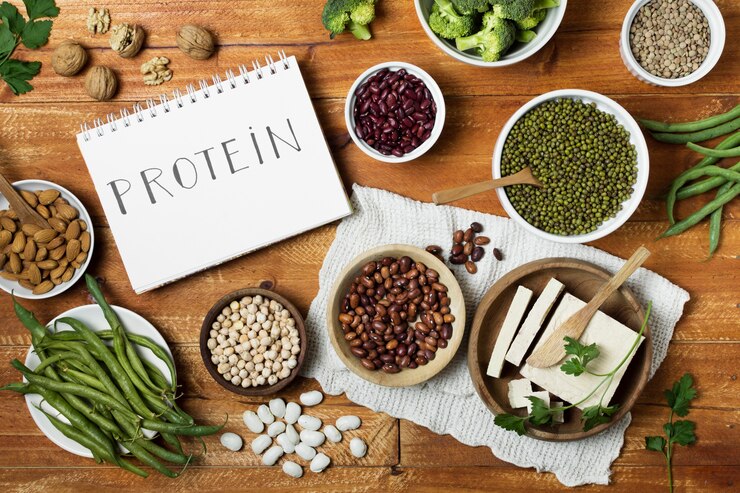
How to Follow Best Protein Sources for Vegetarians in India?
To meet your daily protein requirements, it is essential to include a variety of protein-rich foods in your diet. Here are a few tips on how to follow the best protein sources for vegetarians in India:
1. Diversify Your Protein Sources
best protein sources for vegetarians in india Include a mix of legumes (like lentils and chickpeas), dairy (like paneer and yogurt), soy products (like tofu), and nuts/seeds in your daily meals. This ensures that you get a variety of amino acids, which are essential for optimal health.
2. Combine Protein-Rich Foods
When preparing your meals, try to combine different protein sources to make your meals complete. For example, pairing dal with rice or paneer with roti provides a full spectrum of amino acids.
3. Plan Your Meals
Planning your meals in advance helps ensure that you are meeting your protein goals. Include at least one protein-rich food in every meal, whether it’s for breakfast, lunch, or dinner.
How It Works: Step-by-Step Process of Incorporating Protein into Your Diet
- Start with Breakfast: Include protein-rich foods like paneer, tofu, or lentils in your breakfast. For example, you can have besan chilla (chickpea flour pancakes) to start your day with protein.
- Lunch and Dinner: Incorporate a variety of protein sources like chickpeas, quinoa, and soy products into your main meals. For example, chole with roti or a quinoa salad with mixed vegetables.
- Snacks: Healthy snacks like roasted chickpeas, peanuts, or yogurt can help meet your daily protein needs.
Why High-Protein Breakfasts Help (Simple Science + Indian Diet Context)
Best protein sources for vegetarians in india High-protein breakfasts are beneficial for various reasons. They not only keep you full for longer but also help in muscle repair and growth.
- Sustained Energy: Protein-rich foods help stabilize blood sugar levels and keep energy levels steady throughout the day.
- Muscle Repair and Growth: Protein is essential for repairing muscles, especially after physical activity. Vegetarians need to focus on getting enough protein to maintain muscle mass and strength.
- Weight Management: High-protein breakfasts help in controlling hunger, which leads to fewer cravings and helps in maintaining a healthy weight.
Indian Diet Context: Many traditional Indian breakfasts are carb-heavy, so incorporating protein-rich foods like paneer or tofu can balance out your meals.
Macro Guide: How Much Protein Per Meal (With a Quick 20–30g Target)
For a balanced diet, aim for 20-30 grams of protein per meal. Here’s how you can achieve this with vegetarian protein sources:
- Dal (1 serving): 18 grams of protein
- Paneer (100 grams): 18 grams of protein
- Quinoa (1 cup): 8 grams of protein
Total Protein per Meal: By combining dal, paneer, and quinoa, you can easily reach 20-30 grams of protein per meal.
Quick Swap List (Gluten-Free, No-Onion-Garlic, Jain)
| Dietary Restriction | Ingredient Substitution |
|---|---|
| Gluten-Free | Replace wheat flour with rice flour or quinoa. |
| No-Onion-Garlic | Skip onions and garlic, use ginger and asafoetida for flavor. |
| Jain-Friendly | Avoid root vegetables like potatoes and garlic, use non-root vegetables like peas or cauliflower. |
Budget & Tiffin Prep Tips (Indian Kitchen Friendly)
- Batch Cook Legumes: Cook a large batch of lentils or chickpeas and store them for use throughout the week.
- Affordable Protein Sources: Tofu and paneer can be homemade for a fraction of the cost, making them more affordable.
- Tiffin-Friendly Meals: Prepare meals in advance, like quinoa salad or chole with roti, and pack them for a protein-packed tiffin.
Benefits or Importance of Protein for Vegetarians
- Supports Muscle Health: Protein is crucial for building and maintaining muscle mass.
- Boosts Immunity: Protein-rich foods help in the production of antibodies that boost the immune system.
- Promotes Healthy Skin, Hair, and Nails: Protein is an essential building block for healthy skin, hair, and nails.
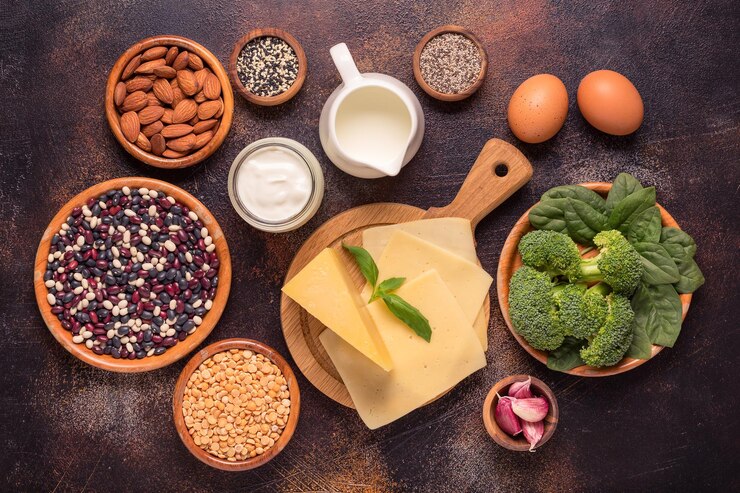
Types or Components of Protein Sources (Table)
| Protein Source | Protein Content | Best For |
|---|---|---|
| Lentils (Dal) | 18 grams per cup | Muscle repair, digestive health |
| Chickpeas | 15 grams per cup | Weight loss, muscle growth |
| Paneer | 18 grams per 100 grams | Calcium boost, muscle repair |
| Tofu | 10 grams per 100 grams | Muscle building, heart health |
How to Start / Guide for Beginners
- Start Small: Begin by incorporating one or two protein sources into your meals.
- Mix and Match: Combine different protein-rich foods like chickpeas with paneer for a complete meal.
- Keep It Simple: Start with simple recipes like dal, chole, or tofu stir fry to build your protein intake.
Expert Tips / Common Mistakes to Avoid
- Relying on One Protein Source: Don’t rely on just one best protein sources for vegetarians in india protein source. Include a variety of plant-based proteins for better results.
- Overcooking Vegetables: Overcooking can destroy the nutritional content of best protein sources for vegetarians in india protein-rich vegetables. Cook them lightly to preserve nutrients.
- Skipping Meals: Avoid skipping meals, as this can lead to insufficient protein intake throughout the day.
FAQs Section
1. What are the best protein sources for vegetarians in India?
2. How much protein should vegetarians eat daily?
3. Can vegetarians get enough protein?
4. Is quinoa a good source of protein?
5. What are some quick high-protein snacks for vegetarians?
Conclusion
Incorporating high-protein vegetarian foods into your diet is essential for overall health, muscle maintenance, and weight management. With a variety of delicious and nutritious options like dal, chole, paneer, and tofu, vegetarians in India can easily meet their protein requirements. So, try to include these protein-rich foods in your daily meals and enjoy a balanced, healthy diet!
Also Read:-
Discover 7 Delicious High Protein Vegetarian Breakfast Indian Recipes (No Eggs)
7 Powerful Benefits of Moong Dal Chilla Protein for a Healthier, Happier Morning Start
Besan Chilla Protein Content: 100% Nutritional Powerhouse for Your Breakfast
No.1 Paneer Bhurji Recipe: A High-Protein, Flavorful Dish You Can’t Miss!
Ragi Dosa: 100% High-Protein, Nutritious Delight for Your Healthy Start
Poha Calories: 100% Delicious and Low-Calorie Breakfast




The is smooth. Seriously, the app is nicely done and simple enough. Maybe try it? Check it out at m999app
Immerse yourself in a fascinating world and experience your passion right now!
Players engage in exciting rounds where they can win big or lose everything.
Regular updates address bugs and enhance performance for all users.
Hey everyone! If you’re wondering about finding your unique color season, tools like Color Analysis Pro and seasonal color analysis quizzes can be a amazing start. For example, the deep summer color palette has some attractive muted tones that perform really well for those with an amber skin tone or olive skin color. Exploring skin tone charts and skin complexion charts can also aid you understand if you lean towards a cool winter color palette, light spring color palette, or maybe even a soft autumn color palette.
When using apps like Color Analysis Pro or color analysis.pro, you can also check out features like virtual hair color try ons and AI color analysis free to see which hair colors or clothing colors suit your yellow undertone skin or neutral skin tone ideally. If you want to go deeper or need help cancelling subscription options like color analysis pro cancel subscription, check out this resource [url=https://color-analysis-test.org]what season color am i[/url] for more insights on seasonal colour analysis and skin tone color charts.